May 21, 2026
Choosing the right material for your entry door can have a major impact on your home’s appearance, comfort, and security. An entry door serves as more than a simple entrance. It creates a first impression, supports energy efficiency, and helps protect your property from weather and wear. Because of this, homeowners often spend time comparing different materials before making a decision.
Every material offers its own advantages. Some are known for durability, while others stand out for visual appeal or low maintenance requirements. Climate, style preferences, and long-term goals can all influence which option makes the most sense for a particular home. Understanding the strengths and limitations of common materials can make the selection process much easier.
Exploring Wood Entry Doors
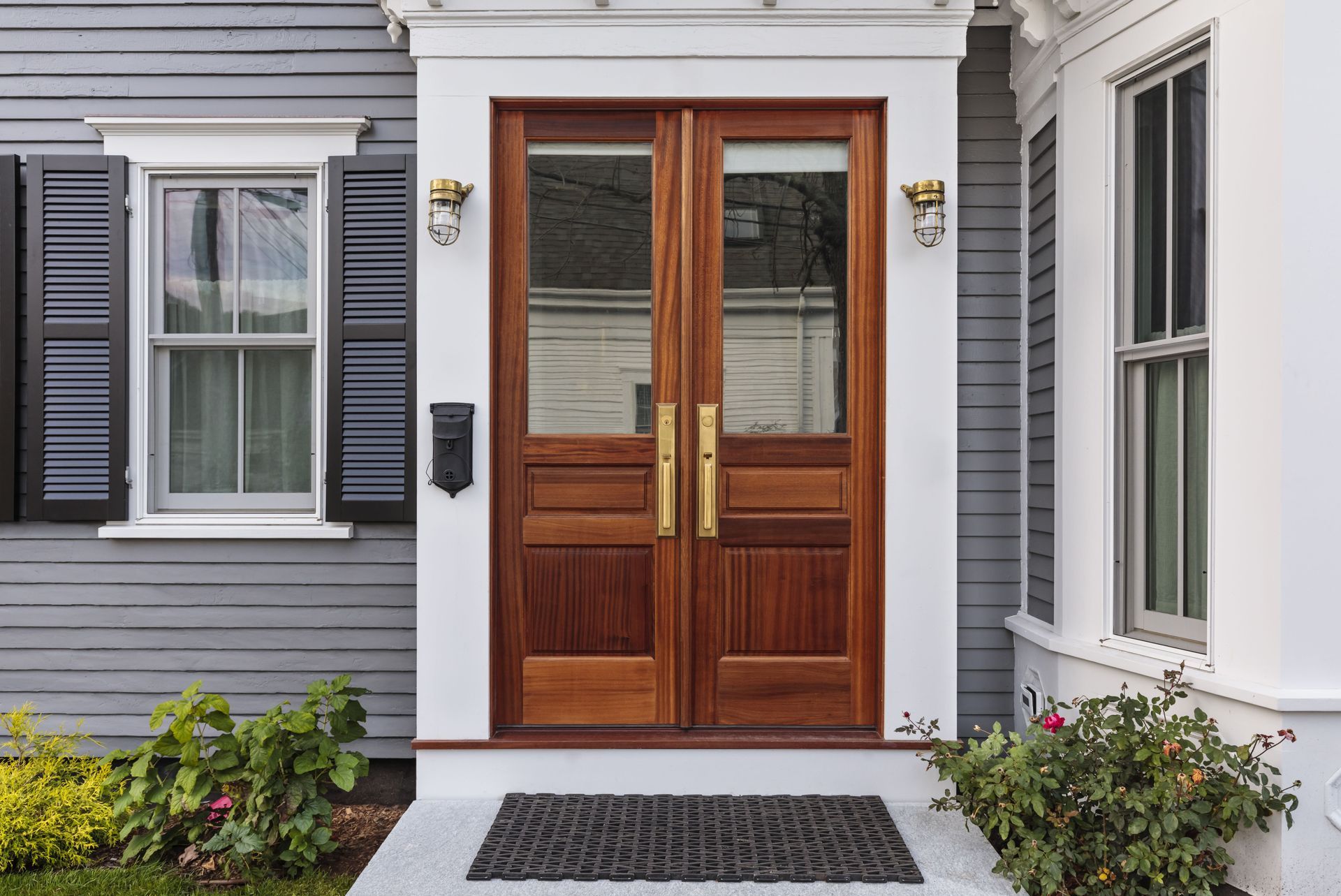
Wood remains one of the most classic choices for an entry door because of its timeless appearance and natural warmth. Many homeowners appreciate the rich texture and elegant character that wood can bring to the front of a home. It pairs well with traditional architecture and can also complement modern designs when crafted with clean lines and minimal detailing.
Another benefit of wood is its versatility. It can be stained or painted in a wide range of finishes, allowing homeowners to create a customized appearance that matches their style preferences. Decorative glass accents and unique carvings can also add personality to the door.
At the same time, wood may require more maintenance than other materials. Exposure to moisture, direct sunlight, and changing temperatures can gradually affect the finish and condition of the surface. Regular care is often necessary to preserve its appearance and performance over time.
Despite the upkeep involved, many homeowners continue to favor wood because of its luxurious look and welcoming feel. For properties focused on curb appeal and traditional charm, wood remains a strong option.
Comparing Fiberglass Entry Doors
Fiberglass has become increasingly popular because it combines durability with low maintenance. Many homeowners choose fiberglass for its ability to withstand changing weather conditions while still offering attractive design options. Fiberglass doors are available in styles that resemble real wood, giving homeowners the appearance they want with less maintenance.
This material is especially appealing for households looking for long-term performance. According to P Market Research, fiberglass doors generally last 25–50 years, while wood doors commonly last 10–15 years. This extended lifespan makes fiberglass a practical choice for homeowners who want a balance between appearance and durability.
Fiberglass also performs well in terms of insulation. A properly installed entry door made from fiberglass can help reduce drafts and contribute to a more comfortable indoor environment. Because the material resists warping, cracking, and moisture damage, it often maintains its appearance for many years with minimal upkeep.
For homeowners who want a combination of style, energy efficiency, and durability, fiberglass can be an appealing solution.
Considering Steel Entry Doors
Steel is another common material used for an entry door, particularly for homeowners who prioritize strength and security. Steel doors are often associated with durability and dependable performance. Their solid construction can provide peace of mind while also standing up well to daily use.
Many steel doors include insulated cores that help improve energy efficiency. This can contribute to indoor comfort throughout changing seasons. Steel doors are also available in a variety of finishes and styles, allowing homeowners to find options that complement different home designs.
One of the major advantages of steel is its resistance to environmental exposure. Unlike wood, steel does not warp because of humidity or temperature changes. It can also require less maintenance than natural wood materials.
However, dents and scratches may affect the surface if the door experiences impact. Keeping the finish in good condition can help maintain the appearance and prevent long-term wear. Even with this consideration, steel remains a dependable and practical material for many households.
For homeowners looking for strength, efficiency, and affordability, steel continues to be a popular choice.
Evaluating Glass and Decorative Features
The material of an entry door is important, but decorative features also play a major role in overall appearance and functionality. Many homeowners choose doors that include glass inserts or decorative accents to create a brighter and more inviting entrance.
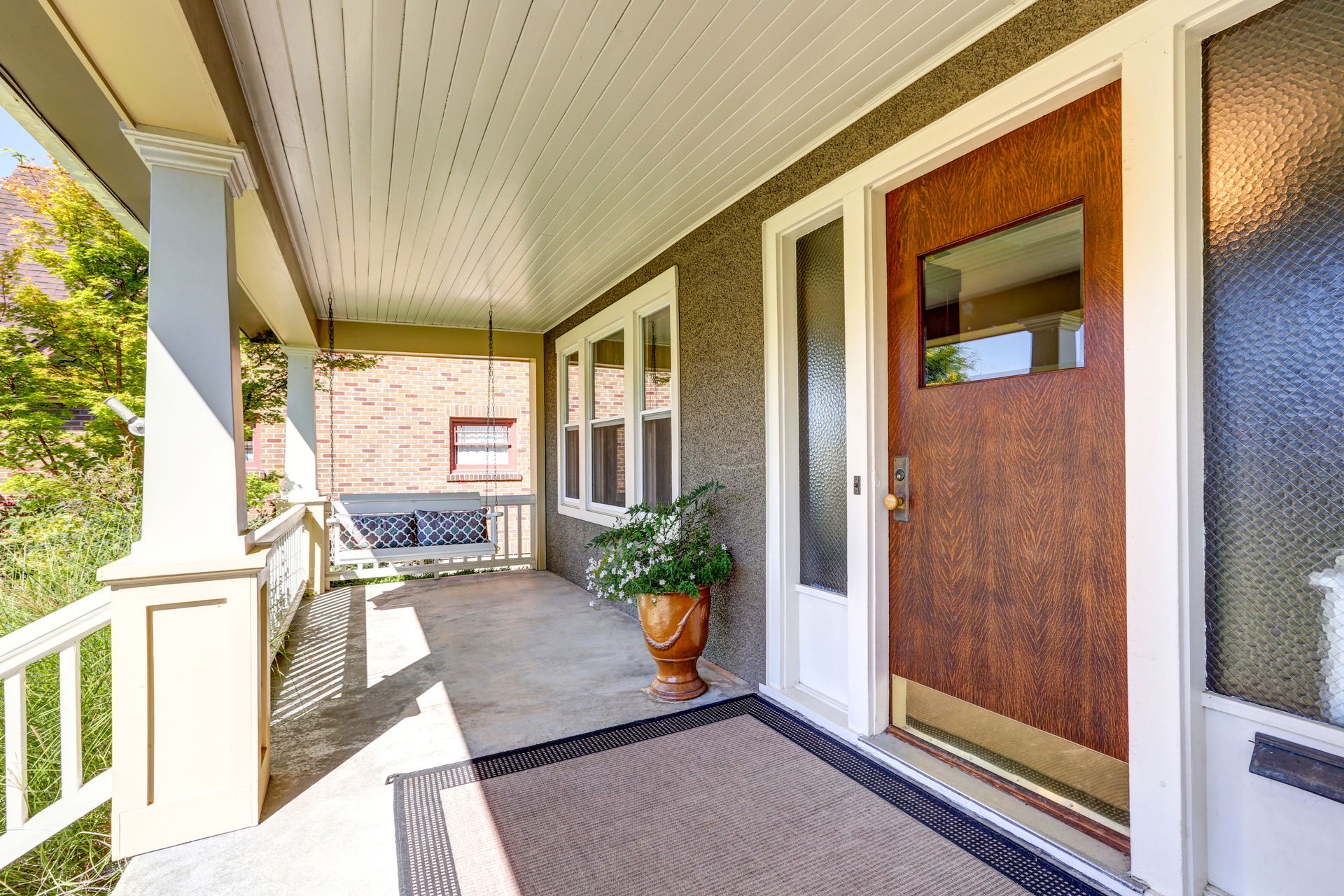
Glass panels can help bring natural light into the home while enhancing curb appeal. Frosted, textured, or decorative glass options can provide privacy while still allowing light to enter. These design choices can create a more elegant and welcoming appearance for guests and visitors.
Modern manufacturing techniques have also improved the durability and energy efficiency of decorative glass features. Many entry door systems are designed to help maintain insulation while still delivering visual appeal.
When selecting decorative elements, homeowners often consider the architectural style of the property. Some designs complement traditional homes with ornate details, while others suit modern homes with sleek and simple lines. Coordinating the material and decorative features can help create a cohesive exterior appearance.
An attractive entryway can significantly influence how a home looks and feels, making design considerations an important part of the selection process.
Understanding Maintenance Requirements
Different materials come with different maintenance expectations, so homeowners should think carefully about how much upkeep they are comfortable handling. The appearance and performance of an entry door can depend heavily on regular care and environmental exposure.
Wood doors often require the most maintenance because they are more sensitive to moisture and sunlight. Refinishing or repainting may be necessary to maintain their appearance over time. Fiberglass, on the other hand, generally requires less attention and is known for resisting common issues such as warping and cracking.
Steel doors also tend to be relatively low maintenance, although scratches or chipped finishes should be addressed to help preserve the surface. Cleaning and occasional inspections can help maintain the appearance and functionality of any entry door material.
Climate can also affect maintenance needs. Homes in areas with heavy humidity, strong sunlight, or frequent storms may place greater demands on exterior materials. Choosing a material suited to the local environment can help support long-term durability and performance.
By understanding maintenance expectations ahead of time, homeowners can select a door material that aligns with their lifestyle and priorities.
Matching Entry Doors With Home Style
An entry door should complement the overall style of the home while supporting practical needs. The right material can help tie together architectural features and improve curb appeal.
Traditional homes often pair beautifully with wood because of its classic and elegant appearance. Homes with modern or contemporary designs may benefit from sleek fiberglass or steel options that feature clean lines and minimal detailing. Decorative glass accents can further enhance the visual impact of the entrance.
Color also plays an important role in creating a cohesive exterior. Neutral shades can create a timeless appearance, while bold colors may add personality and contrast. Hardware selections, including handles and decorative accents, can also influence the overall look of the entryway.
Beyond appearance, homeowners should also think about daily functionality. A well-designed entry door should balance beauty, durability, energy efficiency, and security. Selecting a material that supports all of these goals can help create long-term satisfaction.
Because the front entrance often serves as a focal point of the property, choosing the right combination of material and style can significantly enhance the overall character of the home.
Finding the best material for your entry door depends on your priorities, design preferences, and maintenance expectations. Wood offers timeless beauty, fiberglass provides long-lasting durability with minimal upkeep, and steel delivers dependable strength and efficiency. Decorative elements and proper material selection can also enhance curb appeal while supporting comfort and security.
Carefully comparing the benefits of each material can help homeowners make a confident and informed decision that supports both style and functionality for years to come.
If you are ready to upgrade your entry door, our team at Zager Windows, Doors, and Shutters can help you explore high-quality options designed to enhance your home’s appearance, performance, and long-term value.