November 7, 2026
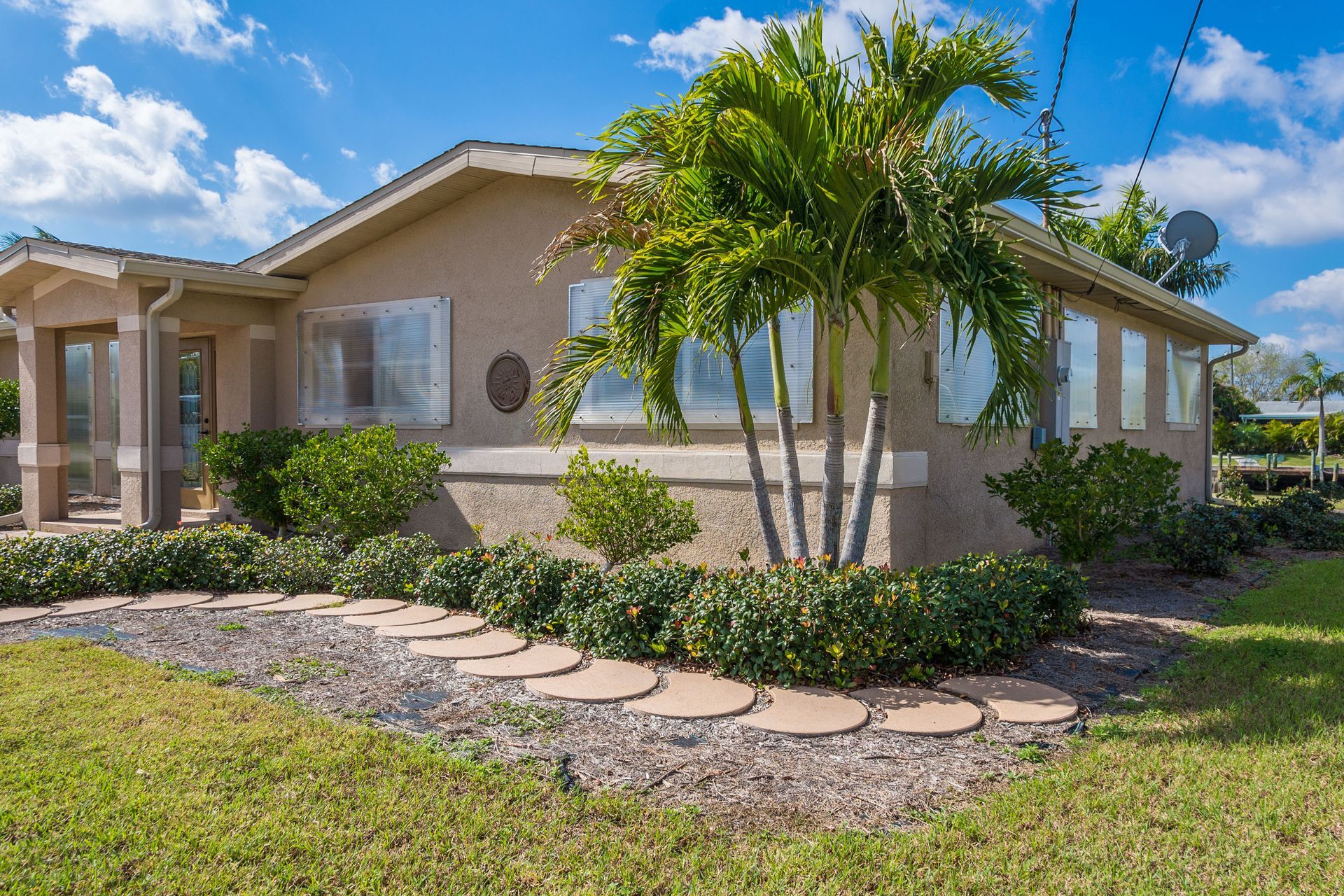
Windows play a major role in a home’s appearance, both inside and out. Outdated designs can make a property look neglected, while updated frames, colors, and glass can create a cleaner, brighter, and more inviting space. Choosing the right replacement window allows homeowners to refresh their exterior, improve natural lighting, and complement their home’s architectural style without requiring a complete renovation.
Choosing Styles That Complement Your Home’s Design
The style of your windows can influence the overall character of your property more than you might expect. Double-hung windows often suit traditional homes, while casement windows and expansive picture windows can create a cleaner, more contemporary appearance. Bay and bow windows also add dimension to exterior walls, helping flat surfaces feel more visually interesting.
When choosing a replacement window, consider the architectural features already present throughout your home. Window shapes, frame proportions, and decorative grilles should work with existing details rather than compete with them. For example, a classic brick home may benefit from traditional frames, while a modern property may look better with slim profiles and larger glass panes. Matching these elements creates a balanced appearance that feels intentional rather than pieced together.
Updating Frames for a Cleaner Appearance
Window frames are easy to overlook, but worn, discolored, or damaged frames can make an entire home look older. Replacing outdated frames can give the exterior a fresher appearance while making the windows look more consistent across different rooms. Even when the home's siding, roofing, and landscaping remain unchanged, this improvement can make the property feel better maintained.
Frame materials and finishes also influence the final look. Vinyl frames offer a clean, versatile appearance, while wood frames can introduce warmth and natural character. Aluminum frames often complement contemporary designs with their streamlined profiles. Before selecting a finish, consider your siding color, exterior trim, and other permanent features. A coordinated palette helps the windows blend naturally into the architecture while still allowing them to stand out as attractive design elements.
Coordinating Colors and Finishes
Color choices can either unify your home's appearance or create unwanted visual contrast. White frames offer a timeless look that works with many exterior styles, while black frames can provide a striking outline against light-colored siding. Neutral shades, including gray and beige, can create a softer transition between windows and surrounding materials.
Think about the interior as well as the exterior when choosing colors. A finish that complements your home's outside appearance should also work with interior walls, flooring, and furniture. For instance, warm wood tones can coordinate with natural materials and traditional furnishings, while darker frames may complement modern interiors. A thoughtfully selected replacement window finish can help connect these design elements, creating a more consistent appearance from room to room.
Increasing Natural Light and Brightening Spaces
Natural light can make a room feel more spacious, comfortable, and inviting. Older windows with thick frames, small glass areas, or outdated designs may limit how much daylight enters a space. Replacing them with suitable designs featuring larger glass areas can brighten rooms and make the surrounding décor more noticeable.
Consider how sunlight moves through your home before choosing new window configurations. Picture windows can provide broad outdoor views, while strategically placed casement windows can help bring light into frequently used areas. However, larger glass areas should suit the room's proportions and provide appropriate privacy. The goal is to create brighter interiors without making rooms feel exposed or overwhelming the home's existing architectural style.
Improved lighting can also change how you experience familiar spaces. Sunlight highlights wall colors, furniture textures, and decorative details that artificial lighting may not showcase in the same way. With thoughtful placement and suitable glazing, updated windows can make living rooms, kitchens, and bedrooms feel more open while strengthening the connection between indoor and outdoor environments.
Enhancing Architectural Character Through Framing
Window placement and framing help establish the visual rhythm of a home's exterior. When windows have consistent proportions and align with architectural features, the façade tends to look more organized. Uneven styles, mismatched frames, or visibly aging materials can interrupt that balance, making an otherwise attractive home feel less cohesive.
Homeowners can use window designs to emphasize features such as front-facing rooms, entryways, or distinctive rooflines. Decorative grilles may reinforce a traditional appearance, while unobstructed glass can highlight a contemporary design. According to ZipDo, 58% of homeowners replace their windows because of energy inefficiency, while 29% do so to improve their home's appearance. These figures illustrate that visual improvements are one reason homeowners consider window updates, alongside practical performance concerns.
When planning your project, look at the house from the street rather than evaluating each window separately. Consider whether the sizes, shapes, and finishes create a balanced pattern across the façade. This broader perspective can help you select designs that emphasize your home's strongest features instead of drawing attention to inconsistencies.
Refreshing Interior Spaces With Coordinated Styling
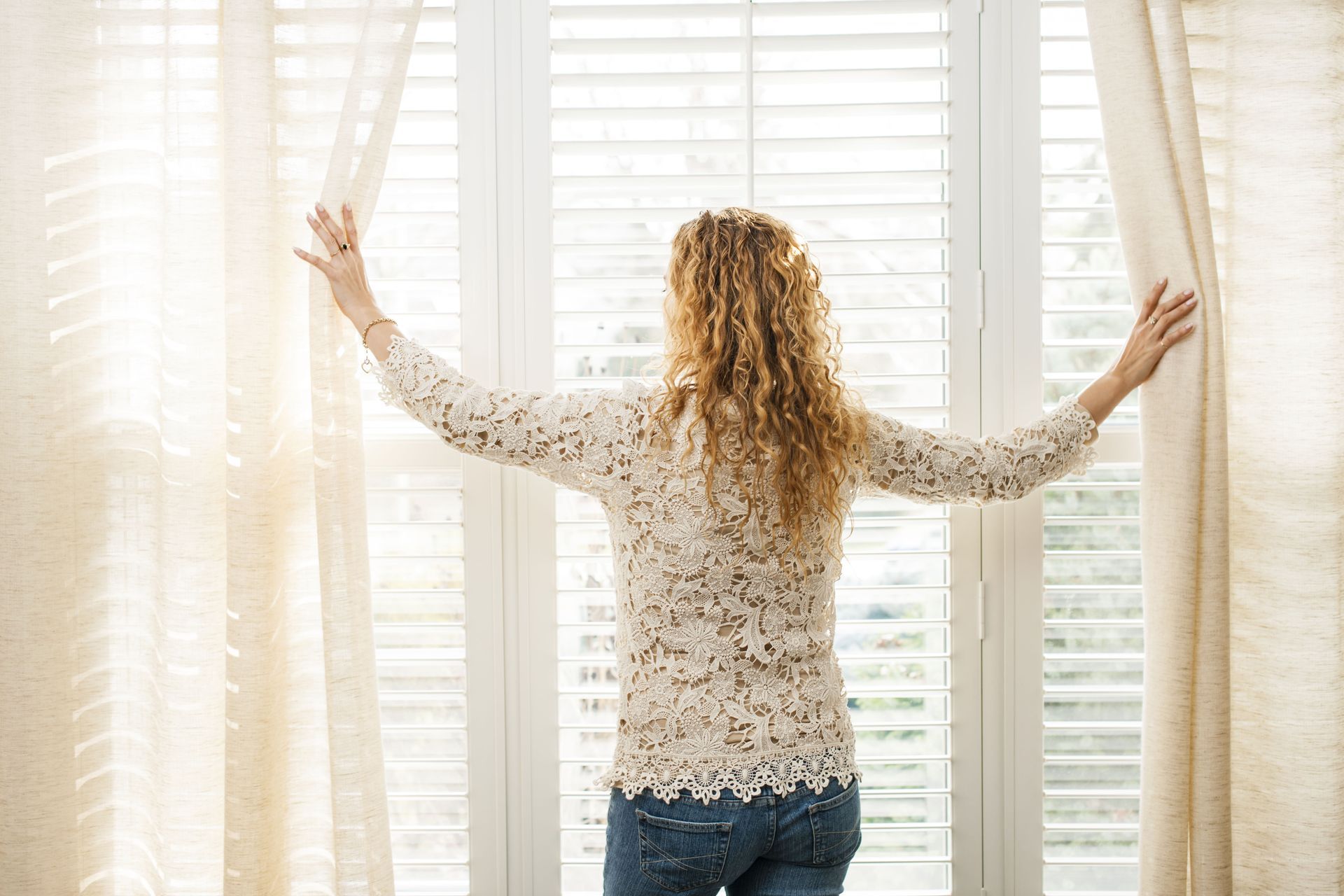
The visual benefits of new windows extend beyond the exterior. Updated frames, clear glass, and coordinated finishes can make rooms feel more polished, especially when existing windows appear worn or clash with the surrounding décor. These changes can also provide a natural starting point for refreshing curtains, blinds, and other decorative details.
Consider how your windows interact with furniture placement and wall treatments. Floor-length curtains can emphasize height, while simple blinds may complement a minimalist interior. If you prefer an unobstructed view, a window design with a streamlined frame may help keep attention on the outdoors. You do not need to redesign every room to create a noticeable improvement; small, coordinated choices can make the entire home feel more thoughtfully designed.
Privacy should remain part of the decision, particularly in bedrooms, bathrooms, and street-facing spaces. Frosted glass, suitable window treatments, and carefully selected configurations can provide privacy without sacrificing every opportunity for natural light. Balancing appearance with everyday needs helps create interiors that look appealing and remain comfortable to use.
Maintaining Lasting Beauty Through Updating
New windows can improve a home's appearance, but keeping them in good condition helps preserve that improvement over time. Dirt, damaged seals, peeling finishes, and neglected hardware can affect how windows look and function. Regular cleaning and timely maintenance help keep frames, glass, and surrounding trim looking presentable.
Material selection also matters when considering long-term upkeep. Different frame materials have different cleaning and maintenance requirements, so choose an option that suits your household's routine and local climate. Inspect the surrounding caulk and trim periodically, and address visible damage before it affects the overall finish. These simple habits can help maintain a neat exterior and an attractive interior.
It is also worth considering how your new windows will look alongside future home improvements. Choosing versatile colors and styles can make it easier to coordinate later changes to siding, paint, landscaping, or interior décor. Rather than following a short-lived trend, select designs that suit your home's architecture and your personal preferences. This approach can help your investment continue to complement the property as your tastes and needs evolve.
A well-planned window upgrade can refresh your home's exterior, brighten interior spaces, and bring greater consistency to its overall design. The right replacement window balances style, color, proportions, and practical needs while complementing your home's existing character. For help choosing window styles and finishes that suit your home, contact Zager Windows, Doors, and Shutters.