October 2, 2026
Choosing the right exterior door involves much more than selecting a style that complements a home. In areas where severe weather is a concern, homeowners also need to consider strength, durability, security, energy performance, and long-term reliability. A well-designed impact door brings these qualities together in a single component, helping protect an important opening while contributing to the appearance and everyday comfort of the property.
Quality can vary considerably among products that appear similar at first glance. Materials, construction methods, hardware, glass, seals, and installation compatibility can all affect how a door performs over time. Understanding the characteristics that distinguish a dependable product can make it easier for homeowners to evaluate their options and choose a door suited to both their property and local conditions.
Providing Stronger Structural Construction
One of the most important qualities to evaluate is the construction of the door itself. A quality impact door is engineered to withstand demanding conditions that ordinary exterior doors may not be designed to handle. The frame, door panel, internal reinforcement, and connections work together as a complete system rather than relying on a single strong component.
Materials play an important role in this structural performance. Depending on the design, manufacturers may use reinforced aluminum, steel, fiberglass, or other durable materials capable of maintaining their integrity under significant pressure. The frame must also be appropriately engineered because even a strong door panel cannot perform as intended when its surrounding structure is inadequate.
Construction quality can influence everyday performance as well. A sturdy door should operate smoothly without feeling unstable, loose, or excessively flexible. Over time, high-quality materials and careful manufacturing can help reduce issues such as warping, misalignment, and premature deterioration. This combination of storm-focused engineering and everyday durability is one of the clearest distinctions between a basic exterior product and one designed for demanding environments.
Providing More Reliable Impact Resistance
Impact resistance is a defining characteristic of doors intended for properties exposed to hurricanes and other severe storms. During extreme weather, airborne debris can strike exterior openings with substantial force. If an opening is compromised, wind and rain may enter the building, potentially increasing damage to interior spaces and placing additional pressure on the structure.
A properly engineered impact door is designed with this risk in mind. Its components are developed to work together so the opening remains more secure when subjected to demanding conditions. Impact-resistant glass, reinforced panels, durable framing, and appropriately designed hardware can all contribute to overall performance.
Homeowners should also recognize that strength is about more than the visible surface of a door. Hinges, locks, fasteners, frames, and attachment points influence how effectively the complete assembly responds to stress. Quality products are designed as integrated systems, which help eliminate weak points that could otherwise undermine performance.
Providing Better Energy Performance
Storm protection may be a major reason homeowners consider impact-rated products, but energy performance is another important factor. Exterior doors separate conditioned indoor spaces from outdoor temperatures, humidity, sunlight, and wind. Poorly performing doors can contribute to unwanted heat transfer and air leakage, making indoor spaces less comfortable and potentially increasing demands on heating and cooling equipment.
Consumer preferences reflect the importance of this issue. According to ZipDo, 78% of consumers consider energy efficiency a top priority when shopping for windows or doors. This interest makes sense because exterior openings can influence comfort and energy performance throughout the year.
Energy performance should be considered as part of the complete system rather than as an isolated feature. The door, frame, glazing, seals, and installation all contribute to how effectively the opening separates indoor and outdoor environments. When these elements work together, homeowners may experience more consistent interior temperatures and fewer noticeable drafts around the doorway.
Providing Greater Everyday Security
A strong exterior door can contribute to home security in addition to storm protection. Many of the characteristics that help a door resist severe weather can also create a more substantial physical barrier for everyday use. Reinforced construction, durable frames, strong hardware, and dependable locking systems can make the entryway feel more secure.
This benefit is particularly valuable because exterior doors are frequently used access points. A quality impact door should balance strength with convenient daily operation. Homeowners should not have to choose between a door that feels secure and one that opens, closes, and locks smoothly.
The relationship between the door and its frame is especially important. A high-quality lock provides limited value when installed in a weak or poorly fitted assembly. Similarly, strong materials cannot compensate for hardware that is inadequate for the door’s construction. A coordinated system provides a more comprehensive approach.
Providing Longer-Lasting Weather Protection
Exterior doors encounter environmental exposure every day, even when severe storms are not present. Sunlight, rain, humidity, temperature changes, wind, and airborne moisture can gradually affect materials and finishes. In coastal environments, additional exposure may create even greater demands on exterior components.
Durability therefore deserves careful consideration. A quality impact door should use materials and finishes suited to the conditions where it will be installed. Corrosion-resistant hardware, durable coatings, effective seals, and weather-resistant framing can help preserve both performance and appearance.
Long-term durability can also improve overall value. Repeated repairs, refinishing, hardware problems, or premature replacement can make an initially inexpensive product less attractive over time. Choosing a door designed for sustained exterior exposure can help homeowners prioritize reliability rather than focusing solely on the initial purchase.
Providing More Versatile Design Options
Protective features do not require homeowners to compromise on aesthetics. Modern impact-rated doors are available in a wide variety of styles, finishes, configurations, and glass designs. This makes it possible to coordinate a protective exterior opening with contemporary, traditional, coastal, transitional, or other architectural styles.
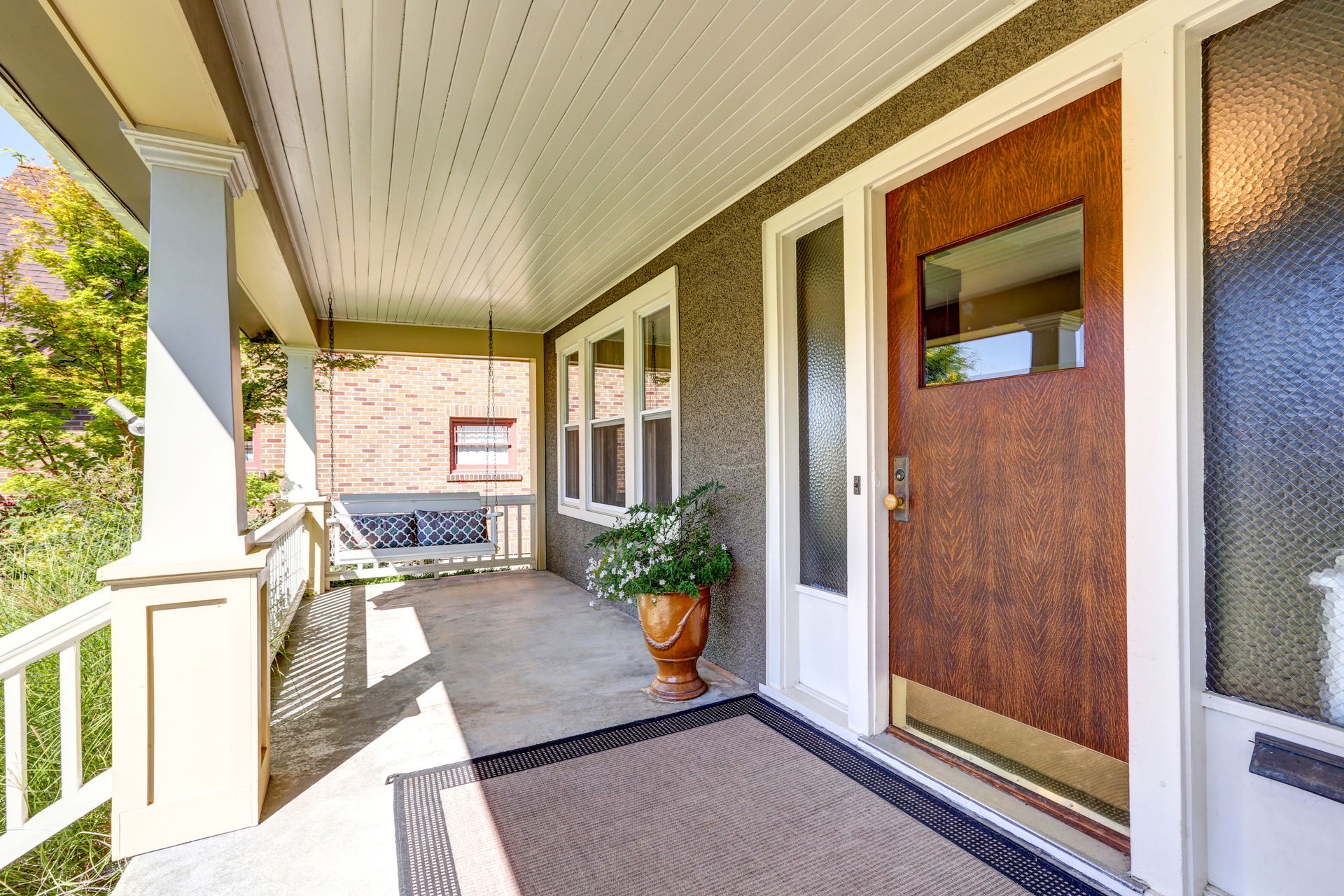
The front entry is often an important visual feature of a home. Its proportions, color, glass, and hardware can influence the character of the entire facade. Selecting an impact door that complements existing windows, shutters, roofing, exterior finishes, and architectural details can create a more cohesive appearance.
Glass can be especially influential. Depending on the product, homeowners may be able to choose among different levels of transparency, decorative treatments, and configurations. These options can help balance natural light, privacy, exterior visibility, and visual interest.
Providing More Dependable Overall Performance
Individual features matter, but the greatest distinction of a quality product is how well everything works together. Structural reinforcement, glazing, frames, seals, locks, hinges, finishes, and installation requirements should function as parts of one carefully engineered assembly. A weakness in any major component can affect the performance of the entire opening.
Homeowners should therefore evaluate more than appearance or a single specification. Product documentation, testing information, manufacturer guidance, warranty coverage, and compatibility with the property can all provide useful insight into overall quality. Professional guidance can also help determine which options are appropriate for a particular opening and building.
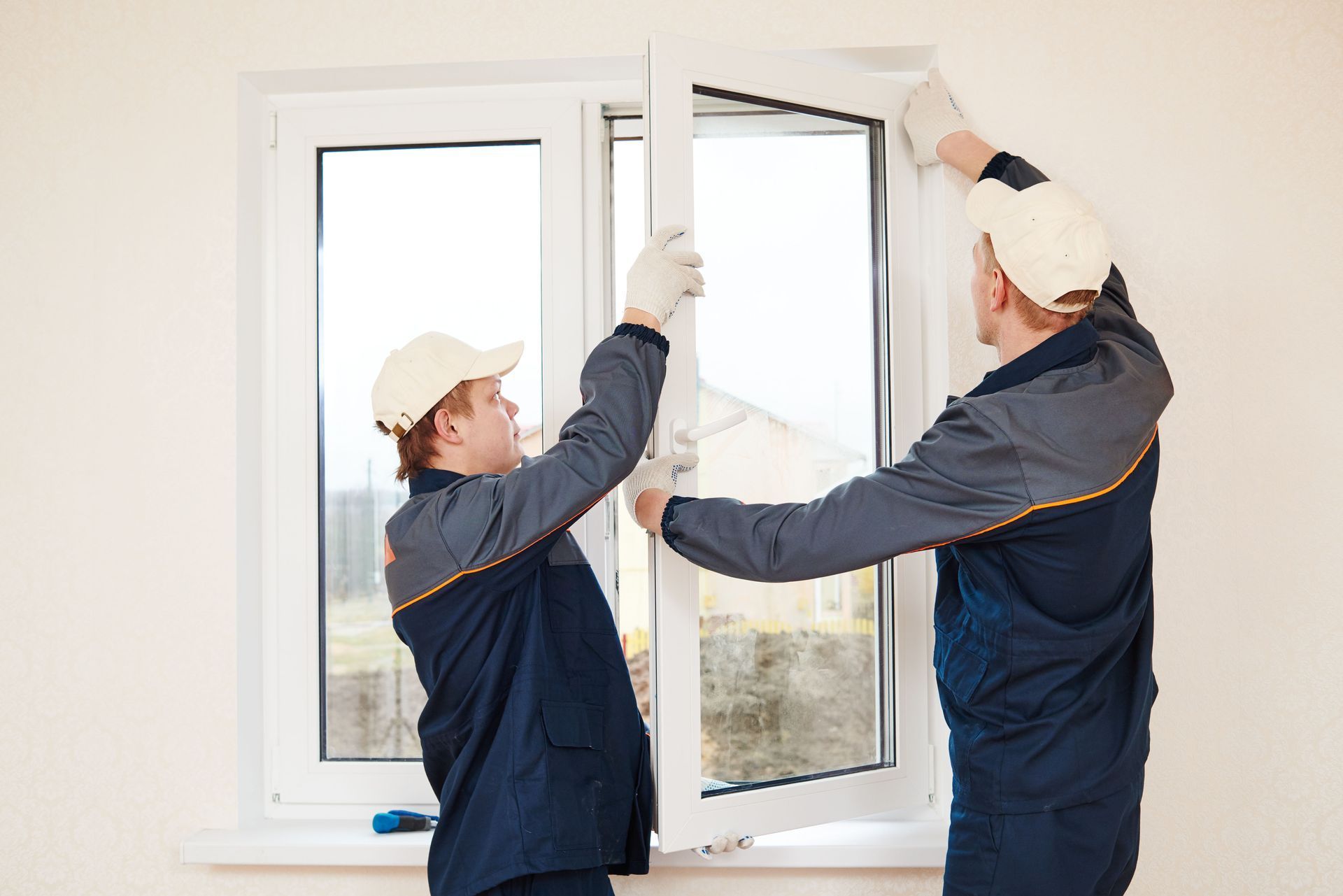
Installation is equally important because even a well-manufactured impact door must be properly fitted and secured to perform as intended. The opening, surrounding structure, fasteners, alignment, and sealing all influence the finished result. Professional installation helps ensure that the product is incorporated into the home according to applicable requirements and manufacturer specifications.
A quality door ultimately combines protection with practical everyday performance. It should feel substantial without being inconvenient, withstand environmental exposure, complement the home’s architecture, and continue operating reliably through regular use.
Choosing a high-quality exterior door is an investment in several aspects of a property at once. Strong construction can support storm preparedness and security, while efficient materials and effective seals can contribute to indoor comfort. Durable finishes help address long-term exposure, and versatile designs allow protective features to become an attractive part of the home’s exterior.
The strongest products distinguish themselves through complete-system performance rather than one impressive feature. When materials, engineering, hardware, glazing, weather resistance, and professional installation are considered together, homeowners can make a more informed choice and select an exterior opening designed to serve their property reliably.
When you’re ready to explore options for your home, contact Zager Windows, Doors, and Shutters. We can help you evaluate your needs, understand available products, and select a solution that fits your property’s style and protection priorities. Our team is ready to help you improve your home’s exterior with dependable professional support.