March 19, 2026
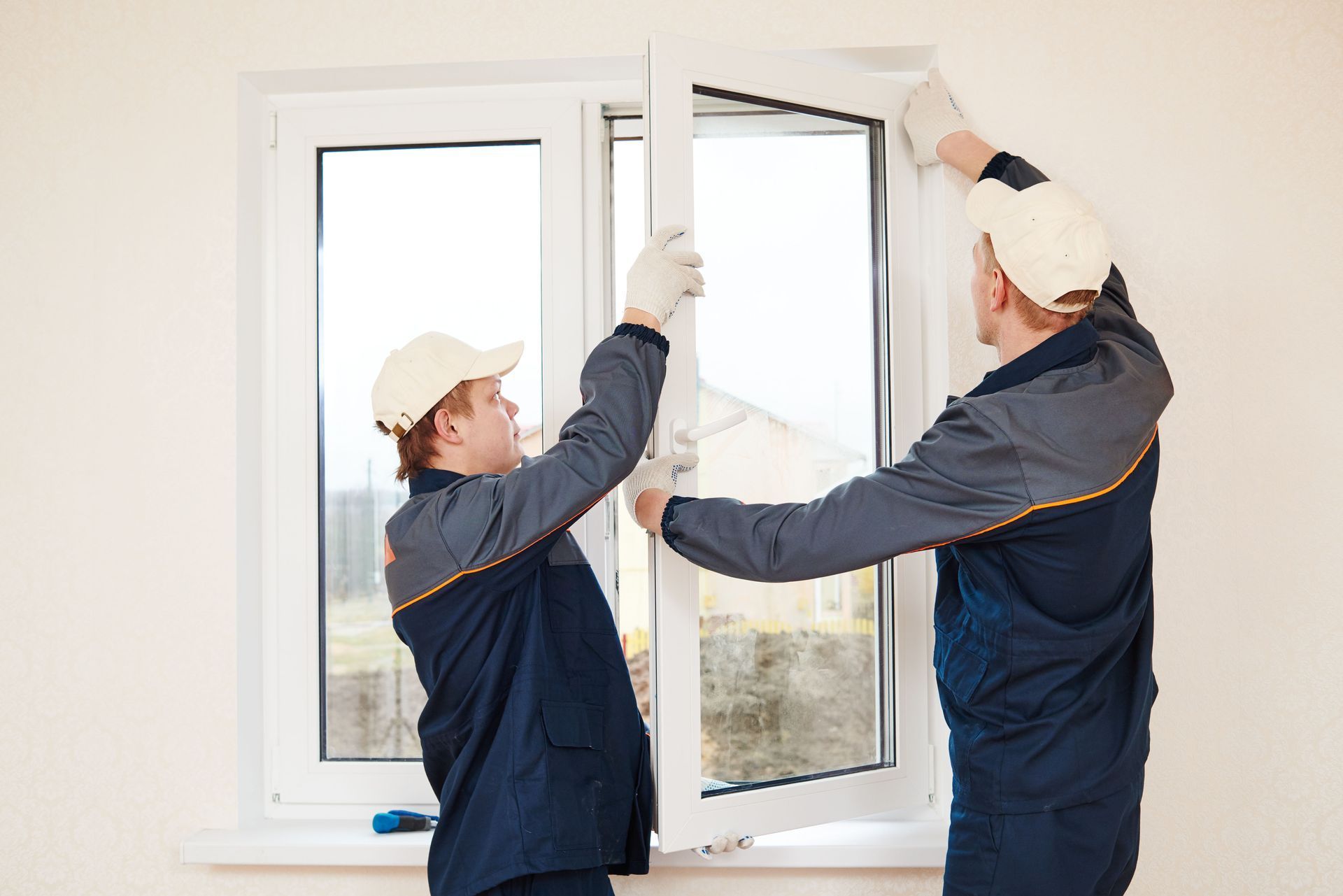
Replacing your windows is one of those home improvement projects that can deliver immediate and long-term benefits. New windows improve comfort, boost energy efficiency, enhance curb appeal, and help protect your home from the elements. But before installers arrive, a little preparation on the homeowner's side can make a noticeable difference in how smoothly the project goes and how successful the final result is. In this article, we'll walk through the most important steps homeowners can take to prepare their homes for a window installation and set the stage for a smooth, stress-free experience.
Understand the Scope of Your Window Project
Before any preparation begins, it's helpful to have a clear understanding of what the installation will involve. Are all windows being replaced at once, or is the project limited to certain rooms? Will installers be working on multiple floors or accessing exterior walls that are hard to reach?
Knowing the scope helps you anticipate how long the project may take and which areas of the home will be affected. It also allows you to plan daily activities around the work, especially if certain rooms will be temporarily unusable.
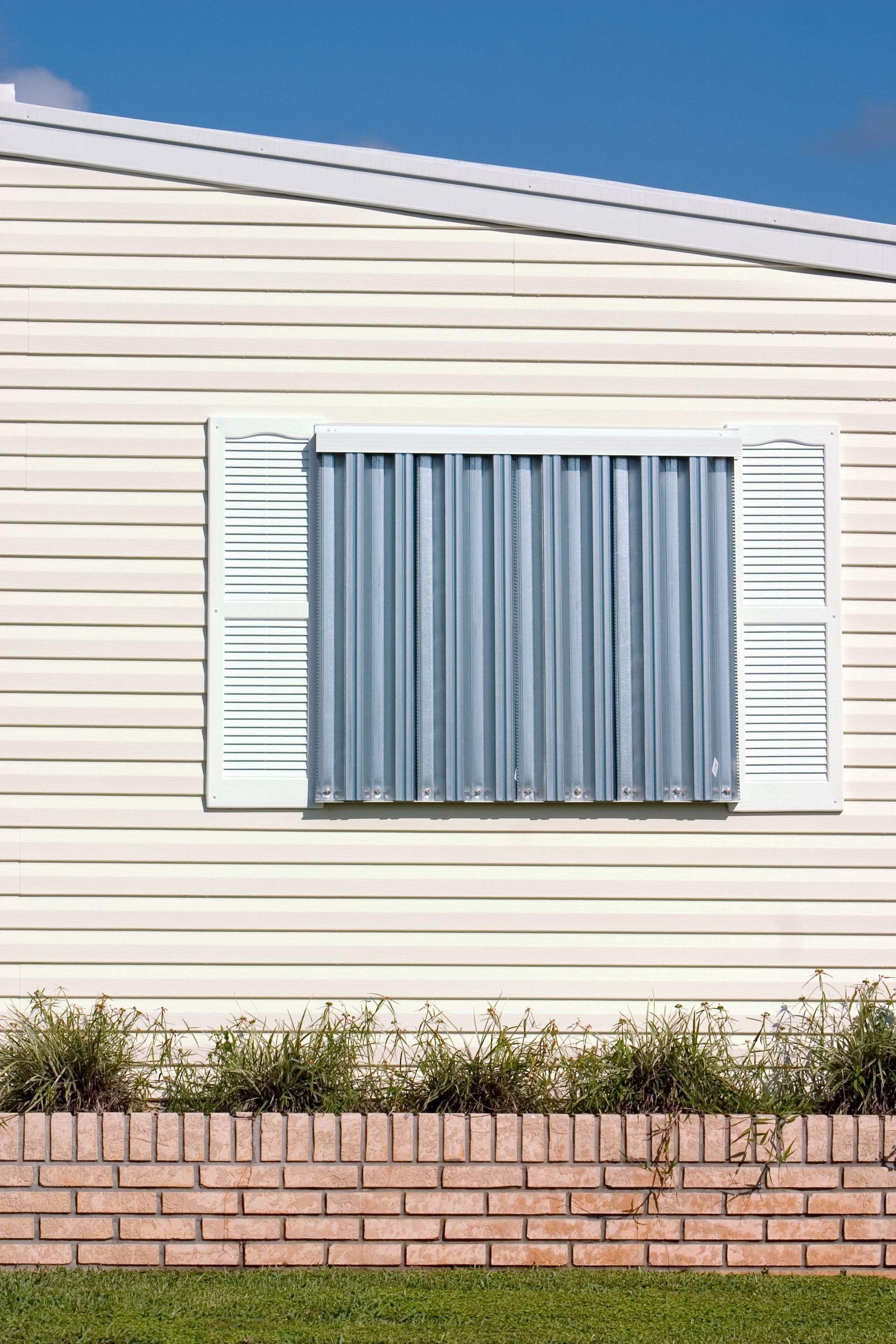
If your project includes hurricane windows, it's also worth confirming whether additional structural adjustments or inspections are required. These windows are designed for durability and impact resistance, which sometimes involves more extensive installation steps.
Review Your Installation Timeline
Window installation is usually completed within one to several days, depending on the number of windows and the complexity of the job. Ask your installer for a realistic timeline so you know what to expect.
Understanding the schedule helps you plan around noise, foot traffic, and temporary openings in the home. It also gives you time to arrange for pets, children, or remote work accommodations if needed. Clear communication about start times, daily work hours, and cleanup expectations reduces surprises and keeps the project running smoothly.
Clear the Area Around Each Window
One of the most important preparation steps is clearing space around every window being replaced. Installers need room to move safely, carry materials, and access window openings without obstruction.
Move furniture, décor, lamps, and plants at least several feet away from windows. Wall hangings, mirrors, and shelving near windows should also be removed to prevent vibration-related damage.
This step not only protects your belongings but also speeds up installation. When installers don't need to work around obstacles, they can focus on precision and efficiency.
Protect Floors and Nearby Surfaces
Although professional installers take precautions, window replacement can involve debris, dust, and occasional tool contact. Protecting floors and nearby surfaces adds an extra layer of security.
Consider laying down drop cloths, old sheets, or protective coverings in work areas. Hardwood floors, carpets, and rugs benefit from added protection, especially in high-traffic zones where installers will be moving in and out. This preparation helps reduce cleanup time and minimizes the risk of scuffs or scratches during the project.
Remove Window Treatments and Hardware
Curtains, blinds, shades, and rods should be removed before installation day. These items can interfere with access to the window frame and may be damaged during removal or installation.
Take down all window coverings in advance and store them safely until the project is complete. If hardware is attached directly to the window frame, removing it ahead of time prevents delays and accidental damage. This step also allows installers to assess the window opening clearly and install new units with proper alignment.
Secure Pets and Plan for Children
Window installation involves loud noises, unfamiliar people, and open wall spaces. For pets, this environment can be stressful or unsafe. Make arrangements to keep pets in a secure room, outdoor area, or off-site during the workday.
Children may also be curious about the activity, so setting clear boundaries or planning time away from home can help maintain safety. This is especially important if windows are being replaced in bedrooms or play areas. A calm, controlled environment benefits both your household and the installation crew.
Prepare for Temporary Noise and Temperature Changes
Window replacement naturally involves drilling, hammering, and removing old materials. Preparing mentally for some noise helps reduce frustration during the process.
Additionally, windows may be temporarily removed during installation, which can affect indoor temperature. On hot, cold, or humid days, plan accordingly by adjusting thermostats or limiting time in affected rooms. If you're installing hurricane windows, the materials may take longer to position due to their weight and reinforced construction, making preparation even more valuable.
Confirm Power Access and Parking Availability
Installers may need access to electrical outlets for tools. Make sure nearby outlets are accessible and functional. If an outlet isn't available near a window, inform the crew so they can plan accordingly.
Parking access is another often-overlooked detail. Clearing driveway space or reserving curb access helps installers unload materials efficiently and reduces setup time. Small logistical steps like these contribute to a smoother installation day.
Review Product Details and Final Measurements
Before installation begins, confirm that the correct windows have arrived and match your order. This includes size, style, frame color, and glass type.
Double-check measurements and placement plans with the installer to avoid last-minute confusion. This step is especially important for custom products and hurricane windows, which must meet specific performance standards. Catching discrepancies early prevents delays and helps keep the project on track.
Understand Energy Efficiency and Tax Benefits
Window installation is also an opportunity to improve your home's energy performance. Energy-efficient windows help regulate indoor temperatures, reduce strain on HVAC systems, and lower utility costs.
According to Bob Vila, when installing impact-resistant windows, homeowners can take advantage of the Windows & Skylights Tax Credit, which allows them to recoup some of the cost of hurricane windows and doors if the windows are Energy Star rated. Homeowners can receive a credit of 30% of the project cost with a maximum of $600 total. Understanding these incentives ahead of time allows you to keep documentation, receipts, and product certifications organized for tax season.
Plan for Post-Installation Cleanup and Inspection
Once installation is complete, plan time to inspect the work carefully. Walk through each window with the installer to confirm proper operation, sealing, and alignment.
Ask questions about maintenance, cleaning, and warranty coverage. Knowing how to care for your new windows helps preserve their appearance and performance over time. Most installers handle cleanup, but it's still helpful to plan for light dusting or vacuuming once the crew leaves.
Preparing your home for a window installation doesn't require extensive effort, but it does require thoughtful planning. Clearing work areas, protecting surfaces, securing pets, and understanding the installation process all contribute to a smoother experience and better results.
Taking these steps is especially important when installing hurricane windows, which offer enhanced protection, energy efficiency, and potential financial incentives. Proper preparation allows installers to focus on precision and safety, giving you confidence in the finished product.
If you're planning a window replacement project, now is the time to get ready. Reach out to Zager Windows, Doors, and Shutters to confirm your timeline, review preparation steps, and move forward with confidence toward a more comfortable and resilient home. We'll be happy to answer any questions you may have about our services before you hire our team. We look forward to hearing from you!